
Everyday Hacks
The No-Spend Month, Honest Version
Written rules, three sanctioned loopholes, two confessed failures, $817 banked. What a family no-spend month actually looks like — and the spending we never turned back on.
Budgeting-obsessed parent of two in the Midwest writing about frugal living, grocery strategy and bill negotiation for Penny Team.
Written rules, three sanctioned loopholes, two confessed failures, $817 banked. What a family no-spend month actually looks like — and the spending we never turned back on.

A month of head-to-head testing: four DIY cleaners that beat or tie the $6 bottles at a tenth of the price, two that lost badly, and the one popular recipe that's actually a mistake.

The average hides everything: groceries are up about 2.7% overall, but beef is up double digits while eggs are plunging. Attack the three categories actually moving, and skip the guilt everywhere else.

The average K-12 family spends about $864 on back-to-school. Ours spends under half — by treating it as a 12-month calendar, not an August scramble. Here's the map, starting with right now.
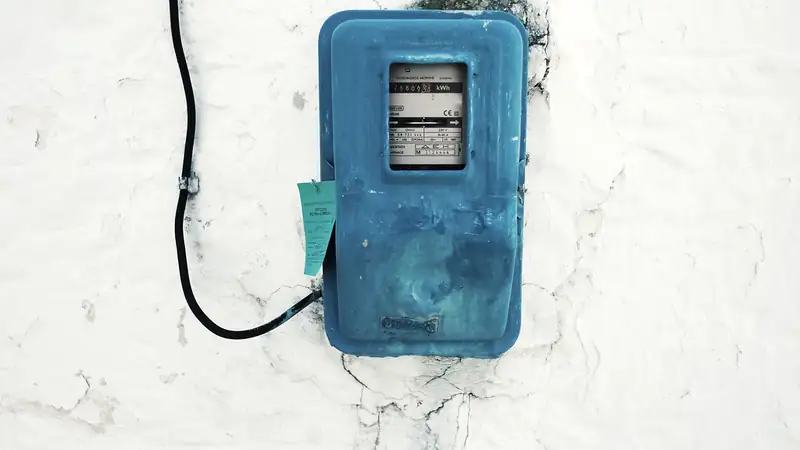
An electric bill is two businesses and a tax collector in one envelope. The line-by-line tour, and the four charges that aren't as fixed as they look.

The $65 card is a bet that you'll out-save the fee. The real break-even math on groceries, gas, and the Executive tier — and the three households that should skip it entirely.

Dinner and a movie now runs $90 before the sitter arrives. Fifteen dates under $20 that we actually go on — plus the sitter swap that rescues the whole budget.

Six services, $86 a month, and nobody could name what we'd watched on half of them. The three-question audit that cut our streaming to $45 — and the rotation trick that means we still see everything.
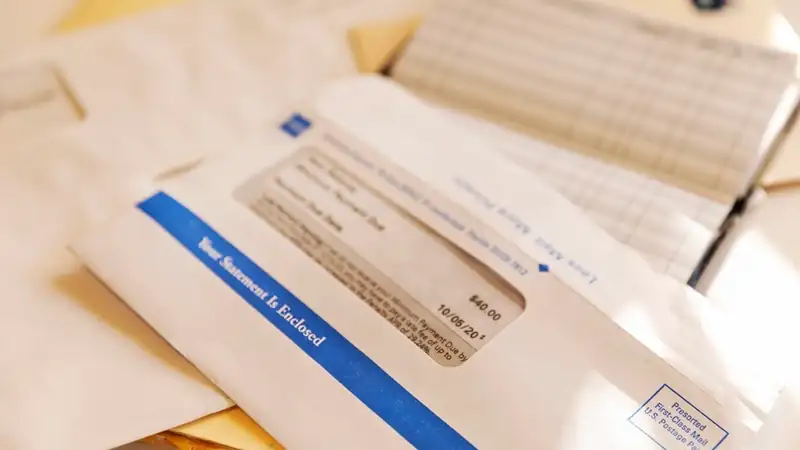
Pure cash budgeting dies at the gas pump and the school pay portal. The hybrid five-envelope version we've actually kept running for three years — rules, amounts, and failure modes included.

Seven programs, one math test: cents per gallon for a real two-car family. Two clear winners, three maybes, and two that mostly exist to sell you soda.
We've saved thousands buying secondhand — and dodged every scam so far by running the same 60-second check on every listing. The five cons parents actually meet, and the rules we never break.
Roughly $15,000 to $36,000 in year one — and the crib is a rounding error. Where the money actually goes, and the five costs nobody puts on the registry.
Three phone calls over two years — two wins, one dud, $472 saved. The scripts I used, the leverage that actually moved the price, and the tactics that got me nowhere.

The exact list, the seven dinners it cooks, and the trade-offs I'd want someone to tell me about up front.
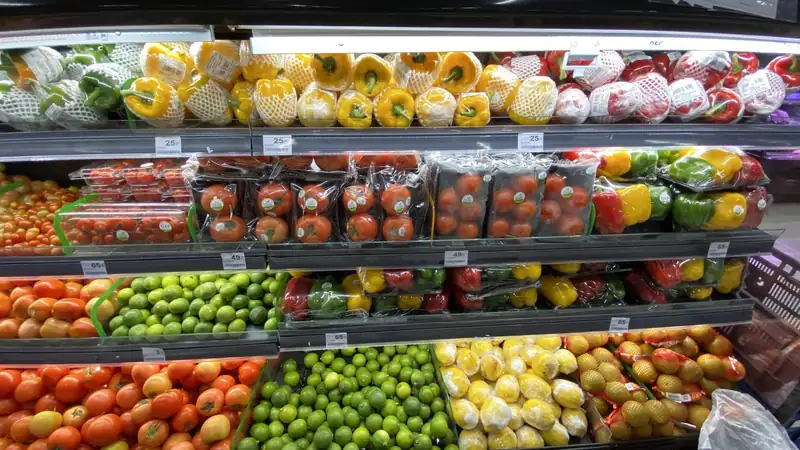
The full 30-item table, who wins each category, and the bulk-buying math nobody does at the register.
The exact phone scripts, the levers ranked by real savings, and the one move that beats all the others combined.

Same towers, third of the price. What an MVNO actually is, who shouldn't switch, and the real math for a family of four.

Audiobooks, streaming, tutoring, museum passes, even a Wi-Fi hotspot — the card in your junk drawer replaces three figures of monthly subscriptions.
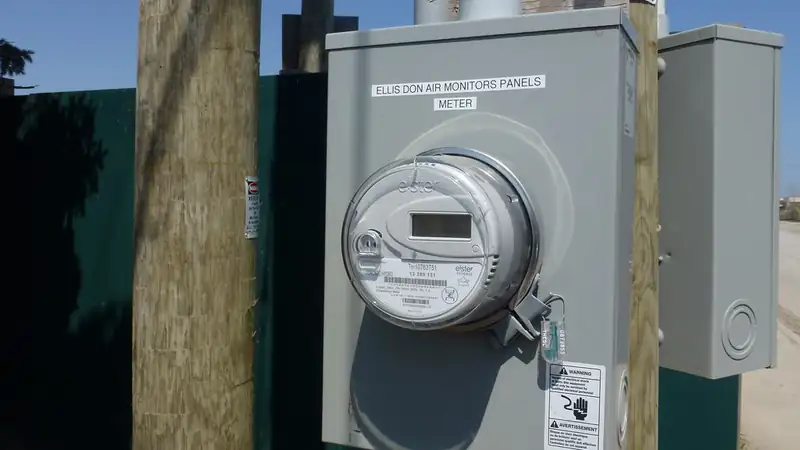
One borrowed watt meter, one weekend, six changes — and the itemized math behind every kilowatt-hour we stopped paying for.

Three complete party blueprints with line-item budgets, and the uncomfortable truth about what kids actually remember from the $400 version.

Seven anti-impulse tricks that survived contact with a real household — with a verdict on each, including where they break.

Components, not meals. The minute-by-minute Sunday hour that kills weeknight takeout without sentencing you to sad identical lunches.
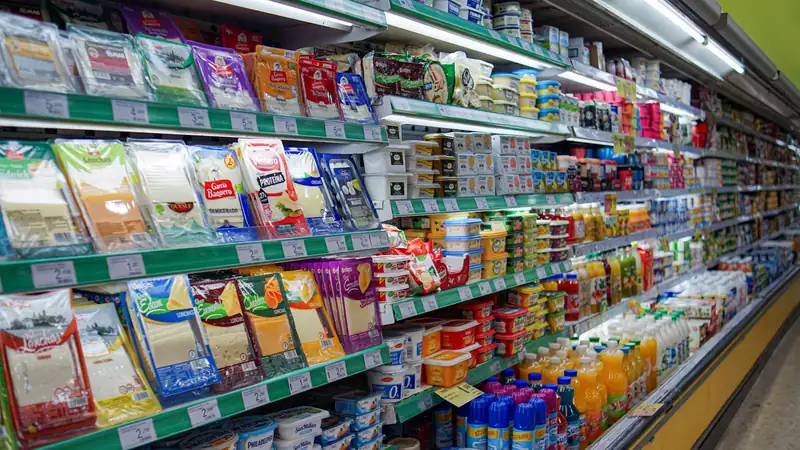
Years of quiet pantry experiments, condensed - the swaps my family never detected, the five that got caught immediately, and why.