Why Your Grocery Bill Went Up (USDA Data) and the 3 Categories to Attack
The average hides everything: groceries are up about 2.7% overall, but beef is up double digits while eggs are plunging. Attack the three categories actually moving, and skip the guilt everywhere else.
General household-budgeting information from one family's tested experience — not financial, tax or insurance advice. Full disclaimer
On this page5 sections
When our grocery total crept up again this year, my first instinct was the usual one: we must be slipping. Buying carelessly. Letting the weekly plan go soft.
Then I did something I'd recommend before any grocery guilt spiral: I checked what prices actually did, category by category, in the USDA's data. And the story turned out to be far more specific than "everything's more expensive." According to the USDA Economic Research Service's Food Price Outlook, grocery (food-at-home) prices are forecast to rise about 2.7% in 2026 — a fairly ordinary year on average. But the average is hiding a brawl:
- Beef and veal: up 10.7% forecast this year — on top of running nearly 12% higher year-over-year in mid-2025. This is a multi-year climb driven by the smallest US cattle herd in decades.
- Eggs: down 30.7% forecast — a genuine collapse in the other direction, as supply recovers from the avian-flu years that had driven eggs up almost 22% in 2025 alone.
- Fresh vegetables: up 6.8% and sugar and sweets up 7.2% — both rising at more than double the overall rate. Nonalcoholic drinks: up 3.9%.
- Meanwhile poultry (+1.0%), pork (+1.6%), and fresh fruit (+2.0%) are barely moving.
Read that list again as a strategy document, because that's what it is. Your bill didn't rise 2.7% evenly across the cart — it rose because two or three specific categories surged while others sat still or fell. Which means the response isn't "spend less on groceries" (vague, joyless, doomed). It's: attack the movers, ride the fallers, and leave the rest of the cart alone.
Attack #1: Beef — demote it, don't banish it
At +10.7% on top of last year's climb, beef is the bill's main villain, and the fix isn't martyrdom; it's a casting change. Beef moves from default protein to featured guest:
- Swap the workhorses. Tacos, chilis, casseroles, and pasta sauces — the ground-beef fleet — take ground turkey, or a 50/50 beef-lentil blend, with nobody staging a protest. Poultry at +1.0% is functionally flat; every swapped pound sidesteps the entire surge.
- Buy the climb's laggards. Within beef, cheaper cuts (chuck roasts, round) lag the premium cuts. A slow cooker converts lag into dinner.
- When beef stars, portion it like a star. A stir-fry or bulgogi bowl spreads half a pound across a family of four gorgeously. Steak night survives; it's just no longer Tuesday.
Our result: beef purchases went from roughly weekly to twice a month, cutting about $9–$12 a week without a single "we can't afford it" conversation.
A note on why beef specifically, because understanding the cause changes how long you plan for it: cattle herds rebuild on a biological clock, not a market one. Ranchers thinned herds through the drought years, and expanding again takes multiple years of holding back heifers — which itself tightens supply further before it loosens it. Translation for the meal planner: this isn't a bad month; it's a multi-year regime. Build the turkey-and-lentil reflexes as habits, not stopgaps, and let steak re-enter the rotation when the data — not nostalgia — says the cycle has turned.
Attack #2: The sweet-and-sipped aisle — the stealth surge
Attack #3: Fresh vegetables — change the door you buy them through
Vegetables at +6.8% punish the fresh-only shopper. The moves:
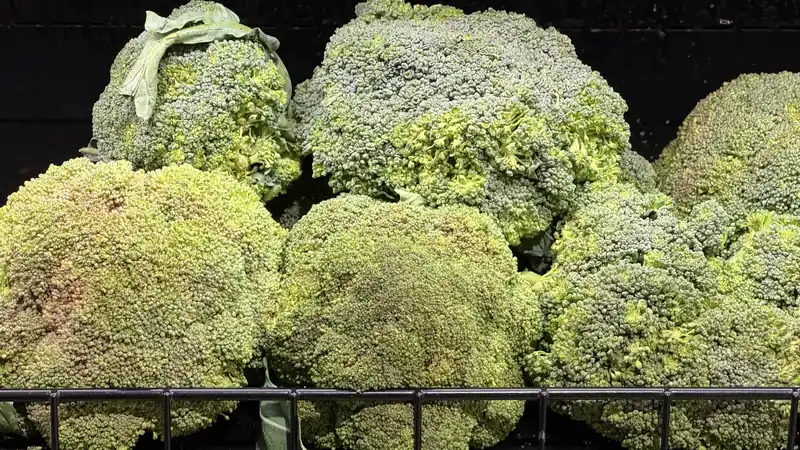
- Frozen is the arbitrage. Same nutrition (flash-frozen at peak, per USDA), stable prices, zero spoilage risk. We shifted roughly half our vegetable buying to frozen — stir-fry blends, spinach, peas, broccoli — and the category cost dropped even as quantity rose.
- Buy the season, not the recipe. In-season produce dodges most of the inflation; out-of-season produce pays air freight. Fall means cabbage, carrots, squash, and sweet potatoes doing the heavy lifting.
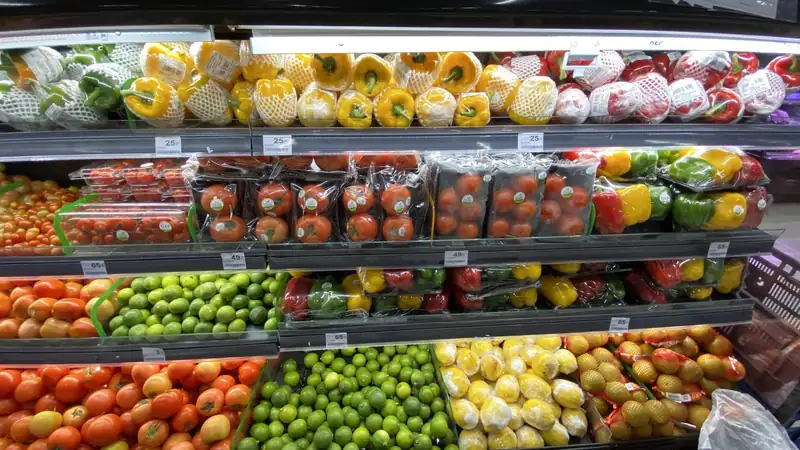
- Let the discounter carry produce. In our three-store price-off, Aldi's produce pricing was a standout. If you multi-stop at all, produce is the aisle that justifies it.
And ride the egg collapse
A 30% drop in a staple protein is the year's gift — accept it. Eggs go back to being the cheapest complete protein in the store: frittatas with whatever vegetables need using, breakfast-for-dinner, egg-fried rice from Sunday's leftover rice. During the shortage years everyone learned to cook around eggs; now run that machinery in reverse.
How to run this play yourself, any year
The three categories above are this year's answer. The durable skill is the diagnostic, and it takes one evening:
- Pull your own data first. Three months of grocery receipts (or the store app's purchase history, which has quietly become the best free budgeting tool in America) sorted into rough categories: proteins, produce, dairy, snacks/drinks, pantry, household. You're looking for your top three by dollars — not the national average's top three. A vegetarian household's beef surge is $0; a soda household's beverage creep is the whole story.
- Check the USDA's current forecast against your top three. The Food Price Outlook updates monthly and forecasts every major category. Where your big categories meet their big movers, that intersection is your attack list. Where a category is falling — this year, eggs — that's your expansion list.
- Design one swap per attack category, not a new diet. The failure mode of grocery strategy is ambition: seventeen changes, two weeks, collapse. One casting change per category — turkey in the tacos, store-brand in the drink aisle, frozen in the vegetable drawer — survives because nobody has to think about it after week two.
- Re-price your ten anchor items quarterly. Every household has ten items it buys constantly; write down their prices once a season. This tiny price book is how you catch your inflation — which store, which items — instead of the news's inflation, and it's how you notice when a swap has quietly stopped paying.
Keep the streak going
The Costco Membership Math: When It Pays for Itself
The $65 card is a bet that you'll out-save the fee. The real break-even math on groceries, gas, and the Executive tier — and the three households that should skip it entirely.
The $75-a-Week Grocery Plan for a Family of Four
The exact list, the seven dinners it cooks, and the trade-offs I'd want someone to tell me about up front.
Aldi vs. Walmart vs. Costco
The full 30-item table, who wins each category, and the bulk-buying math nobody does at the register.